
Materials Engineer, Fibers and Composites
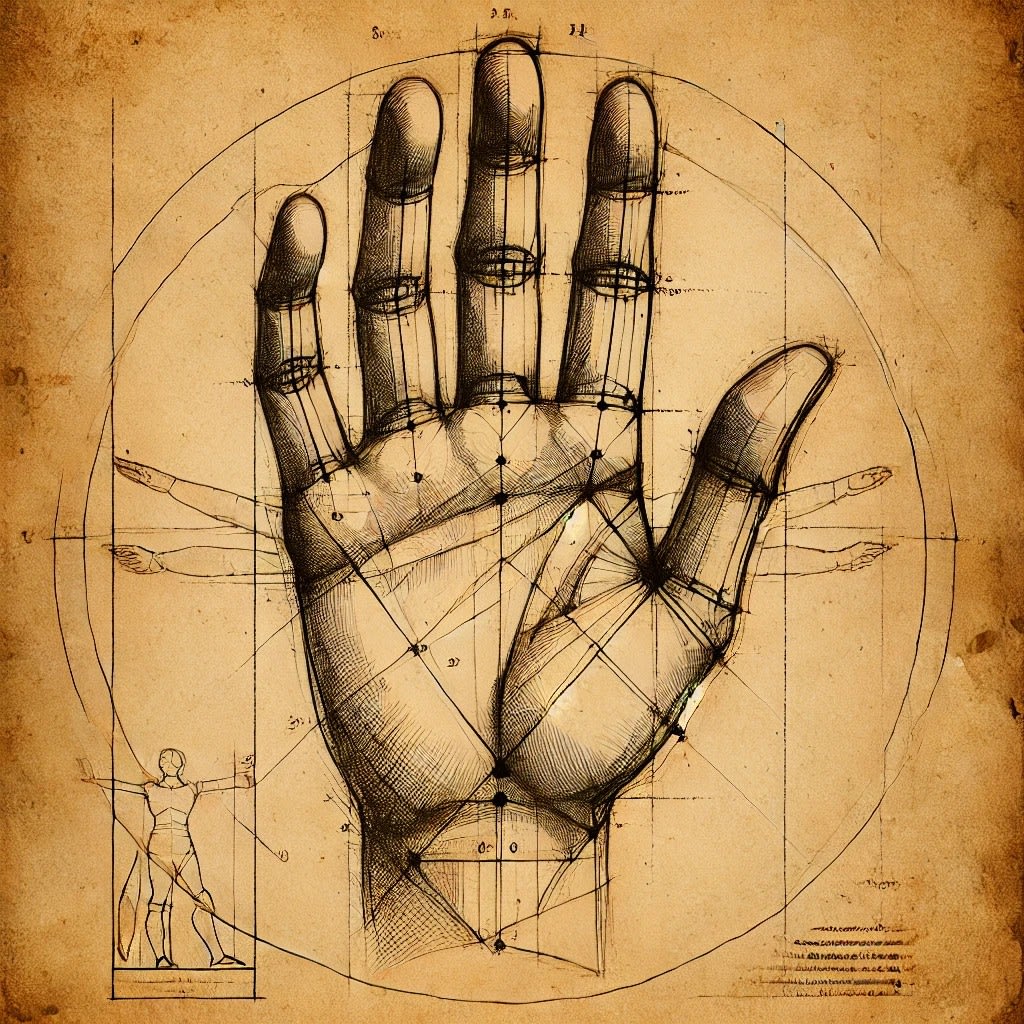
No company, no research institute has ever managed to build a robot hand that comes anywhere close to human level dexterity. We invite you to be part of making this breakthrough happen.
Job description
1X
Since its founding in 2015, 1X has been at the forefront of developing advanced humanoid robots designed for household use. Our mission is to create an abundant supply of labor through safe, intelligent humanoids.
At 1X, we believe materials science is a primary driver of capability. The next generation of humanoids and physical AI interfaces will be enabled by breakthroughs in how materials behave under touch, load and motion. Our vertically integrated approach allows materials scientists to directly shape how robots interact with people and the physical world, from compliance and durability to noise, wear, and long term reliability.
We are seeking a Materials Engineer specialized in Fibers and Composites to focus on polymer fiber based materials and fiber constructions used in dynamic load bearing applications. This role centers on understanding and engineering the material behavior of fibers and fiber assemblies such as yarns, rovings, braids and other fiber embedded structures, with particular emphasis on creep, fatigue, wear, friction, noise, and vibration over long service lifetimes.
This role is driving systems decisions where fiber and composite material systems are developed, characterized, and qualified based on durability, damage accumulation, and lifetime prediction before they are integrated into hardware. At 1X, this work directly enables safe, capable humanoids and new forms of physical AI interaction in everyday environments.
Key Responsibilities
Develop and characterize polymer fiber based materials and fiber constructions for load bearing and cyclic applications.
Study and control long term material behavior including creep, stress relaxation, fatigue, hysteresis, abrasion, surface damage, and wear in polymer fibers and fiber assemblies.
Evaluate polymer fibers such as UHMWPE, aramids, polyesters, nylons, and other high performance fibers for wear resistance, debris generation, and retention of mechanical properties over time.
Define and study fiber constructions including yarns, rovings, twisted cords, braids and other textile like assemblies as material architectures.
Investigate friction and wear behavior at fiber to fiber and fiber to surface interfaces and assess their impact on noise, vibration, and lifetime.
Develop material level test methods and accelerated aging protocols to predict long term performance, including wear and fatigue driven failure modes.
Collaborate with polymer chemists to understand fiber chemistry, surface treatments, coatings, and sizing effects on friction, wear, and long term durability.
Partner with mechanical design, manufacturing and supply chain teams to ensure material behavior, wear limits, and degradation modes are properly accounted for in component design.
Document material properties, wear mechanisms, test methods, lifetime models, and qualification data to support repeatable mass production use.
Stay current with advances in fiber science, tribology, textiles, and structural polymer materials relevant to high cycle, wear sensitive applications.
Job requirements
Required Qualifications
PhD in polymer science, fiber science, materials science, composites, textiles, or a closely related field.
Strong foundation in polymer and fiber mechanics including viscoelasticity, creep, fatigue, hysteresis, abrasion, and wear.
Hands on experience characterizing polymer fibers or fiber based materials under cyclic load and contact conditions.
Ability to design experiments and interpret long term or accelerated durability and wear data.
Familiarity with fiber surface treatments, sizing, coatings, or finishes and their impact on friction, wear, and fatigue.
Experience with consolidation or impregnation processes for fiber assemblies using elastomeric or polymer matrices.
Understanding of how processing parameters influence crystallinity, orientation, residual stress, and long term creep or fatigue behavior.
Experience working with suppliers or contract manufacturers to define and control fiber or textile processes.
Comfort working in a fast moving, multidisciplinary environment.
Strong communication skills and ability to explain material behavior and wear mechanisms to non materials experts.
Nice to Have Qualifications
Hands on experience with polymer fiber extrusion, including melt or solution spinning, drawing, and thermal treatment.
Experience with filament winding for load bearing fiber structures.
Experience with braiding processes including round, flat, and complex braid architectures.
Experience with cable construction including twisting, plying, and laying processes.
Experience with profile extrusion of polymer and composite materials
Experience with calendering processes for films, tapes, or textile reinforced sheets.
Experience with UHMWPE, aramid, or other high performance polymer fibers in abrasive or sliding environments.
Background in aerospace, automotive, energy, or other industries with formal material qualification and lifetime prediction practices.
Familiarity with tribology, noise, and vibration from a materials perspective.
We believe the best work is done when collaborating and therefore require in-person presence in our office locations.
or
- San Carlos, California, United States
All done!
Your application has been successfully submitted!